AC Repair in St. Catharines
Fast air conditioner repair for homes and businesses in St. Catharines. Same-day service available, upfront quotes.
St. Catharines runs from the Lake Ontario shoreline at Port Dalhousie up to the foot of the Niagara Escarpment, and the air conditioning problems change as you drive across it. The north end gets the lake’s humidity and the June cottonwood off Twelve Mile Creek. The downtown core and the streets around Montebello Park are full of century homes that were never built for ductwork. The south end, past the Pen Centre and out to Glendale, is 1990s and newer subdivisions where the original builder-grade air conditioners are now hitting the age when compressors and coils fail.
AC Repair Niagara serves every one of those neighbourhoods with same-day diagnostics, upfront quotes, and technicians who know the difference between a lake-humidity drain problem and a real refrigerant leak. Call (289) 302-8984 and we will give you an honest arrival window.
AC challenges by area of St. Catharines
Port Dalhousie, Martindale, and the Lakeshore
The neighbourhoods closest to Lake Ontario carry the heaviest moisture load in the city. Air conditioners here run longer to pull water out of the air, and the condensate they produce runs through drain lines that grow algae quickly in this climate. Port Dalhousie’s mix of renovated cottages and newer waterfront homes means a lot of ductless mini-splits mounted in rooms that were added over the years, and a lot of condensers sitting in tight side yards where airflow is poor. On the older properties, the electrical panel is often the limiting factor rather than the AC itself.
Downtown, Yates Street, Queenston, and Western Hill
The streets radiating from St. Paul Street and Montebello Park were built from the 1880s through the 1940s. Central air was retrofitted decades later, often with undersized ductwork run through closets and chases, or skipped entirely in favour of ductless heads. Common calls in this part of the city are weak airflow to upper floors, a mini-split head dripping because its drain was run uphill, and breakers that trip on compressor start because the panel is tired. We diagnose the equipment properly and tell you when the fix is an electrician’s.
Facer Street and the Welland Avenue corridor
Postwar bungalows and one-and-a-half storeys fill this district. Many were built with forced-air furnaces, so central AC was a straightforward add-on and most homes have it. The units themselves are frequently second- or third-generation replacements sitting on the original pad and running from the original disconnect. Typical faults are worn capacitors, contactors, and condenser coils that have never been cleaned. Clay soil in this area also shifts the condenser pad over time, which can stress the line set.
Glenridge, Glendale Avenue, and the Brock district
Split-levels and raised bungalows from the 1960s and 1970s sit alongside purpose-built student rentals around Brock University. Deferred maintenance is the pattern: filters that have not been changed in years, drains that have never been cleared, and condensers behind overgrown hedges. Landlords call us on behalf of tenants, and we coordinate access, quote before any work, and keep both sides informed.
Merritton and the Canal corridor
The old Welland Canal runs through the east side of the city, and the neighbourhoods around Merritton have their own humidity pocket plus mature trees. The housing is a mix of older worker housing and infill, so we see everything from window-unit replacements to full ducted systems.
South end, the Pen Centre, and Glendale subdivisions
Newer homes south of the QEW were built with central air from the start. Those original units are now past the age where compressors and evaporator coils fail, and many were sized generously, which causes short cycling and a house that is cool but sticky. These homes also have the most heat pump interest in the city, because the ductwork is already there.
Our services, mapped to St. Catharines
- AC repair is the bulk of the work in St. Catharines: capacitors and contactors in Facer and Glenridge, clogged condensate drains and matted coils in the north end, and end-of-life compressor decisions in the south-end subdivisions.
- Emergency AC repair calls cluster on the second day of a heat warning, when overnight lows stay above 20 and upper floors of the two-storeys in Glendale and the downtown core never cool down. Vulnerable occupants move to the front of the line.
- AC maintenance and tune-ups matter most for homes near Twelve Mile Creek, Martindale Pond, and the canal, where cottonwood and pollen pack the condenser every June. We recommend cleaning after the fluff has finished rather than before.
- Heat pump repair covers the growing number of ductless systems in Port Dalhousie and downtown, plus the ducted heat pumps replacing original air conditioners in the south end.
Cooling systems by housing era in St. Catharines
Century homes (pre-1920): Yates, Church, Queenston, and the streets near Montebello Park. Radiator or boiler heating originally, so cooling is either ductless mini-splits or a high-velocity ducted system threaded through the walls. Electrical capacity is the recurring question.
Postwar bungalows and one-and-a-half storeys (1945 to 1965): Facer, Welland Avenue, parts of Queenston. Forced-air furnaces made central AC an easy retrofit, and most homes have a conventional split system on a pad beside the house.
Split-levels and raised bungalows (1965 to 1985): Glenridge and the Brock area. Central air is standard, ductwork is often marginal to the lowest and highest levels, and the equipment has usually been replaced at least once.
Modern subdivisions (1990 onward): South of the QEW and around Glendale. Central air from new, now aging out. Oversizing and short cycling are common, and heat pump conversions are increasingly the replacement choice.
Weather and climate in St. Catharines
The city sits in a humid pocket between Lake Ontario and the Escarpment. Summer heat warnings for southern Ontario are issued when two days are forecast to reach 31 degrees with overnight lows of 20 or higher, or when the humidex is expected to hit 40. St. Catharines gets its share of those, and the lake keeps nights warm, so a house without cooling does not recover overnight. Humidity is the real load here: an air conditioner that is slightly low on charge or has a partly blocked coil can keep up on a dry 28-degree day and fail on a humid 31-degree one.
Spring and fall are long and mild, which is why heat pumps perform well here for shoulder-season heating. Winter matters for cooling equipment too: condensers buried under snow-shovel piles or sitting under an eave that drops ice take damage that shows up in June.
Things specific to St. Catharines that affect air conditioning
- Cottonwood off Twelve Mile Creek and around Martindale Pond mats condenser coils every June. A partly blocked coil raises head pressure and trips the compressor on the first hot day. Coil cleaning is the fix, and often the whole repair.
- Century-home panels downtown are frequently the true fault behind a breaker that trips when the condenser starts. We test the equipment and tell you when the job belongs to a licensed electrician with an ESA notification.
- Brock-area rentals compound problems: dirty filter, clogged drain, overgrown condenser, all at once. We price the visit as a system, not as a surprise list of add-ons.
- Ductless heads in Port Dalhousie additions were often installed by whoever did the renovation, and under-torqued flare fittings are a common slow leak. A proper leak search beats a top-up.
- Oversized units in Glendale and the south end leave houses cool but clammy. Before recommending new equipment we rule out the cheap causes: weak capacitor, thermostat on a sunny wall, and restricted airflow.
- Lake-effect winters bury and ice up condensers in the north end. Damage from that shows up as bent fins and cracked fan shrouds in spring.
Areas we cover around St. Catharines
St. Catharines is the centre of our service area. We also work across the border into Thorold, including Confederation Heights and the streets near Brock, south to Welland, and east along the QEW and Highway 405 to Niagara Falls.
If your air conditioner is blowing warm, iced up, tripping the breaker, or dripping into the basement, call (289) 302-8984 for a same-day diagnostic with an upfront quote, or book online and we will confirm your arrival window.
Our AC Services in St. Catharines
We keep homes and businesses in St. Catharines and the surrounding areas cool all summer long.
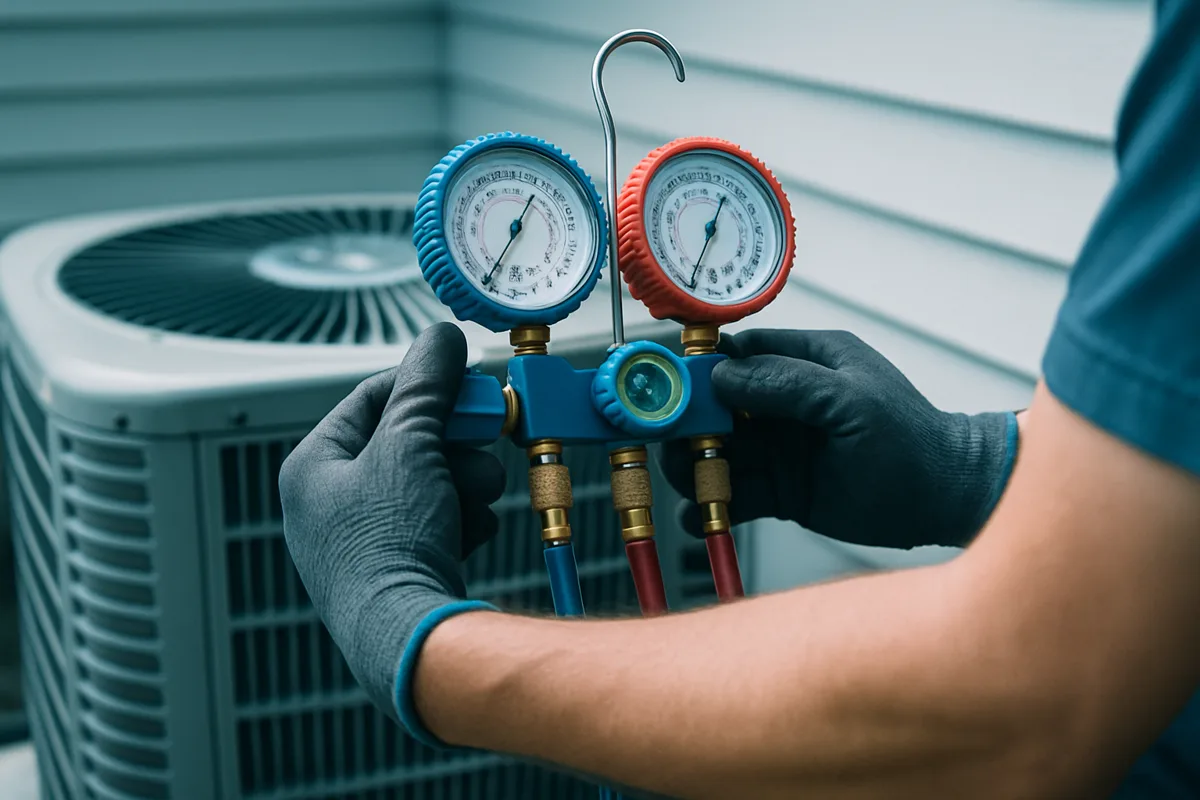
AC Repair
Fast diagnosis and repair for air conditioners that will not cool, will not start, or keep shutting off.
Learn About AC Repair
Emergency AC Repair
Same-day and after-hours AC repair for heat-wave breakdowns, seven days a week across Niagara.
Learn About Emergency AC Repair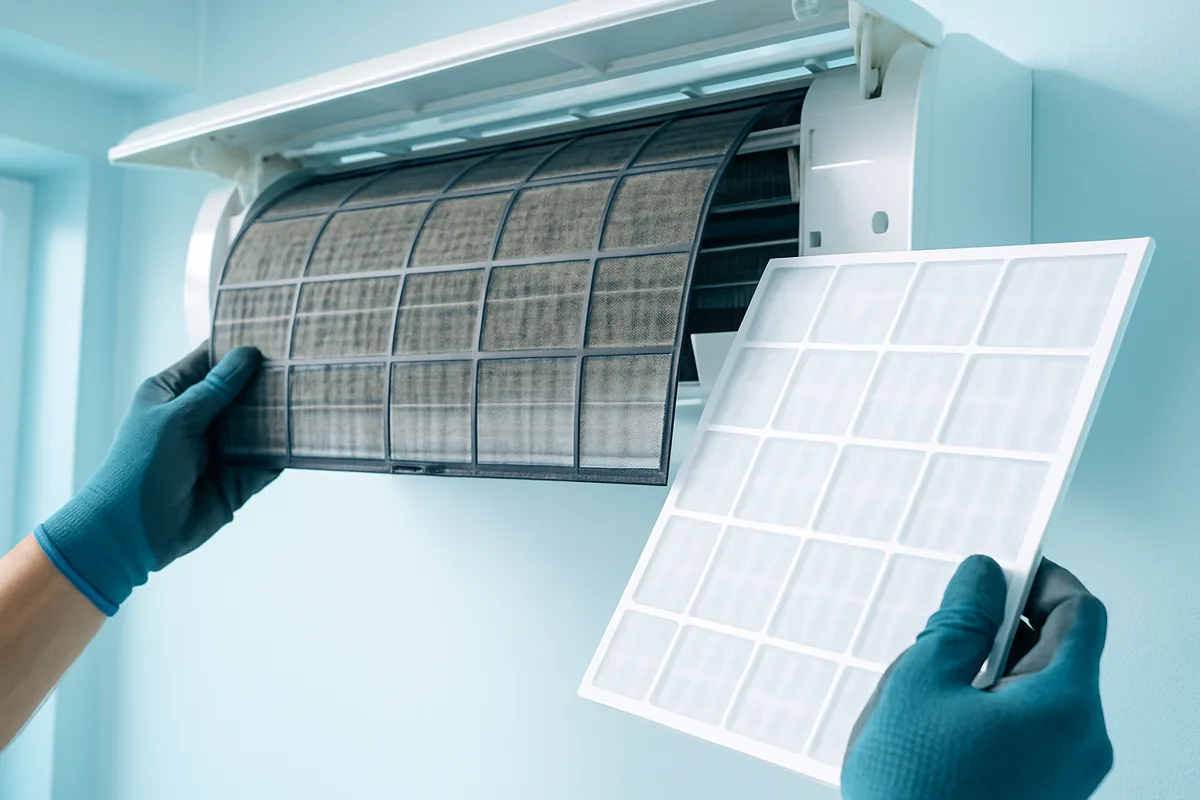
AC Maintenance & Tune-Ups
Seasonal tune-ups that clean coils, check refrigerant charge, and catch small problems before summer.
Learn About AC Maintenance & Tune-Ups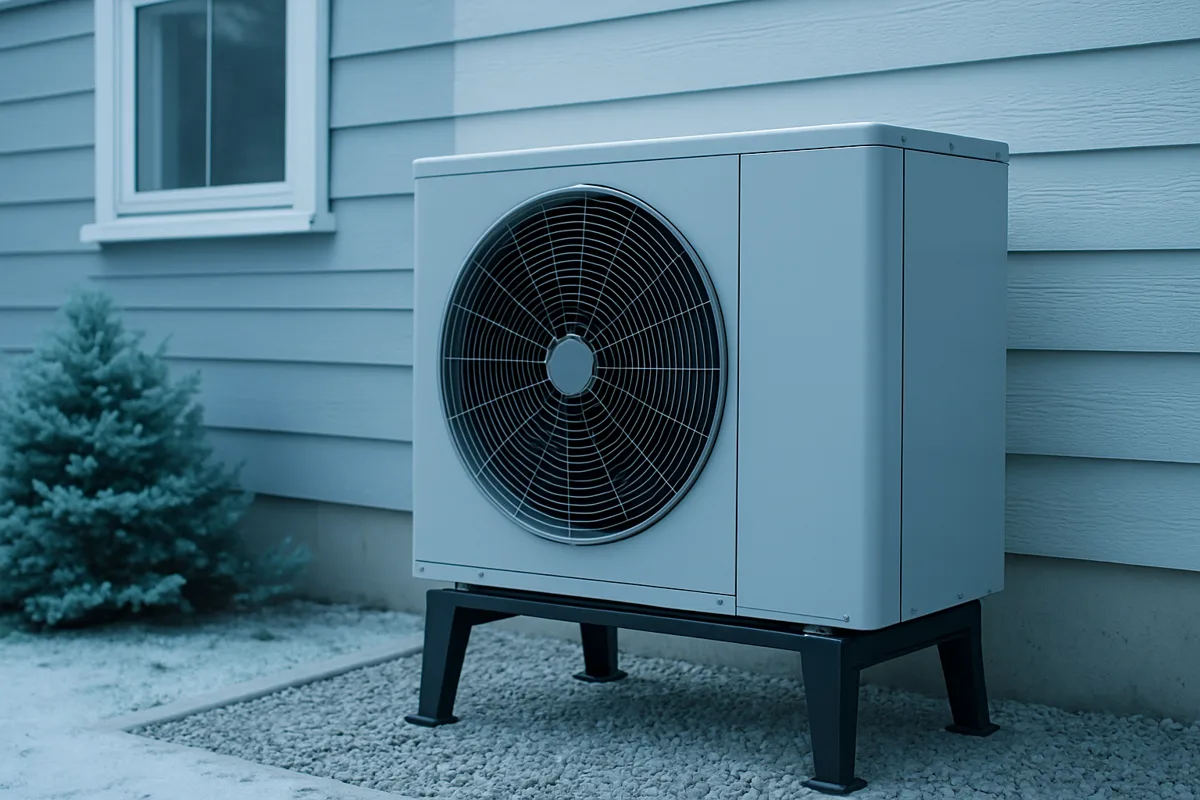
Heat Pump Repair
Repair and service for ducted and ductless heat pumps, including cooling-mode faults and defrost issues.
Learn About Heat Pump RepairHow It Works
Call or Book Online
Tell us what your air conditioner is doing. We ask a few quick questions, schedule a visit, and a technician arrives with the common parts for your type of system.
Diagnosis & Upfront Quote
The technician tests the system, finds the actual fault, and explains it in plain language. You get a clear quote for the repair before any work starts.
The Repair
Once you approve the quote, the repair is done on the spot whenever parts allow. If a part has to be ordered, you get a firm timeline before we leave.
Verify & Maintenance Advice
We run the system through a full cooling cycle to confirm the fix, then walk you through simple maintenance habits that help you avoid the next breakdown.
AC Repair FAQ for St. Catharines
How does Lake Ontario affect air conditioning in St. Catharines?
The north end of the city, from Port Dalhousie through Martindale and along Lakeshore Road, gets the most humid air in St. Catharines. Air conditioners there run longer to pull moisture out of the house, condensate drains clog with algae faster, and a system that is slightly low on refrigerant will show it on the first muggy stretch. We treat drain cleaning and a proper charge check as standard on north-end calls.
Can you repair the AC in a century home downtown or near Montebello Park?
Yes. Homes on Yates Street, Church Street, and the streets off Queenston were built long before central air, so they typically have either a ducted system retrofitted through tight chases or ductless mini-splits. The common faults are undersized returns, older electrical panels, and mini-split line sets that were run through uninsulated walls. We diagnose the equipment and tell you plainly if the panel is the real issue.
Do you service rental properties near Brock University?
Regularly. Landlords in Glenridge and along Glendale Avenue and Decew Road call us on behalf of tenants, and deferred maintenance is the usual story. We coordinate access with the tenant, give you the quote before any work, and keep both parties updated on timing.
Why does my AC in the Glendale or south-end subdivisions short cycle?
Homes built from the 1990s onward south of the QEW often had air conditioners sized by square footage rather than an actual load calculation, and some are oversized. An oversized unit cools the air quickly but shuts off before it has removed the humidity, leaving the house cool and clammy. A weak capacitor or a sun-exposed thermostat can cause the same symptom, so we check those first before talking about equipment size.
How quickly can you get to St. Catharines for a no-cooling call?
St. Catharines is the centre of our service area, so same-day service is available most days through cooling season when you call before mid-afternoon. During a region-wide heat warning every company is stretched, and we give you an honest arrival window instead of a promise we cannot keep.
Is the cottonwood along Twelve Mile Creek really a problem for my air conditioner?
Yes. In June the fluff from cottonwood and poplar along Twelve Mile Creek, around Martindale Pond, and on the older tree-lined streets mats onto the condenser coil. The unit cannot reject heat, pressure rises, and the compressor trips on overload during the first hot spell. A proper coil cleaning is often the entire repair.